Kathmandu
The vibrant gateway to the Himalaya — temples, heritage and valley-rim trails.
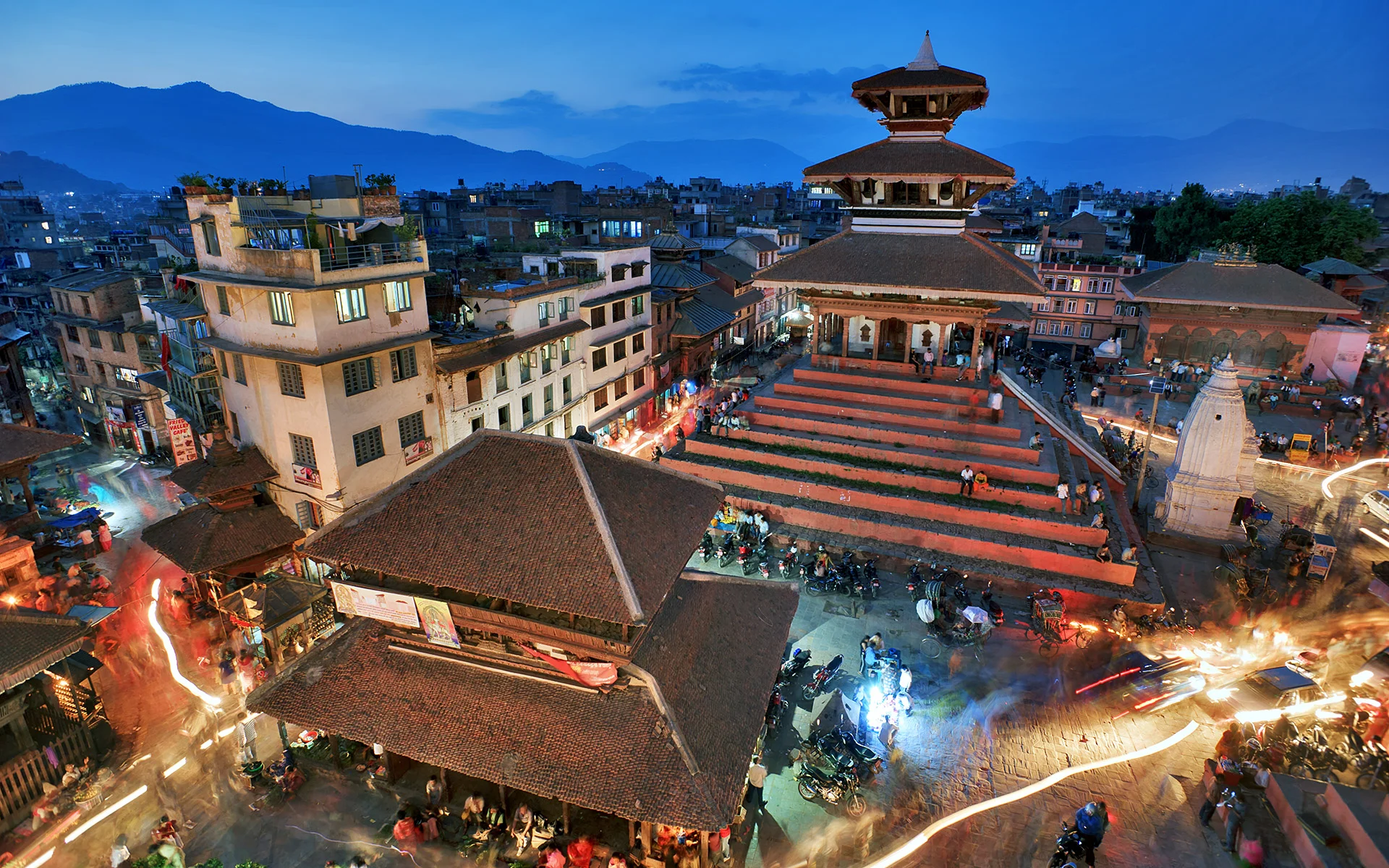
Kathmandu is the capital, largest metropolis, and economic hub of Nepal, situated at an elevation of approximately 1,400 meters (4,600 feet) above sea level in the bowl-shaped Kathmandu Valley. It is a vibrant, multi-ethnic city where ancient religious traditions seamlessly coexist with modern urban development. The city serves as the ultimate gateway to the Himalayas for trekkers and mountaineers globally.
Key Facts & Geography
- Location: Central Nepal, nestled inside the lower Himalayan foothills.
- Waterways: Lies near the confluence of the Bagmati and Vishnumati rivers.
- Surroundings: Encircled by four major mountains: Shivapuri, Phulchoki, Nagarjun, and Chandragiri.
- Population: Home to over 845,000 residents in the city proper, and nearly 4 million in the wider metropolitan area.
- Climate: Subtropical highland climate featuring warm summers and mild, comfortable winters.
History & Culture
The city was originally founded in the 8th century as “Kantipur”. Its modern name, Kathmandu, comes from Kasthamandap, a massive wooden pavilion built in Durbar Square entirely from the timber of a single tree. For centuries, the valley was a powerful center for the indigenous Newar people, whose exquisite woodcarving and craftsmanship define the city’s architecture.
Major Landmarks & Tourism
The Kathmandu Valley contains a remarkably dense concentration of UNESCO World Heritage Sites. Iconic landmarks include:
- Pashupatinath Temple: One of the most sacred Hindu temples dedicated to Lord Shiva.
- Boudhanath & Swayambhunath Stupas: Massive, ancient Buddhist monuments famous for their iconic “Buddha eyes”.
- Kathmandu Durbar Square: The historic plaza featuring old royal palaces, courtyards, and distinct pagoda architecture.
- Thamel: A lively, bustling tourist hub filled with hotels, gear shops, restaurants, and nightlife.
Tours in Kathmandu
Discover our best mountain biking adventures in Kathmandu.
 Cycling Easy
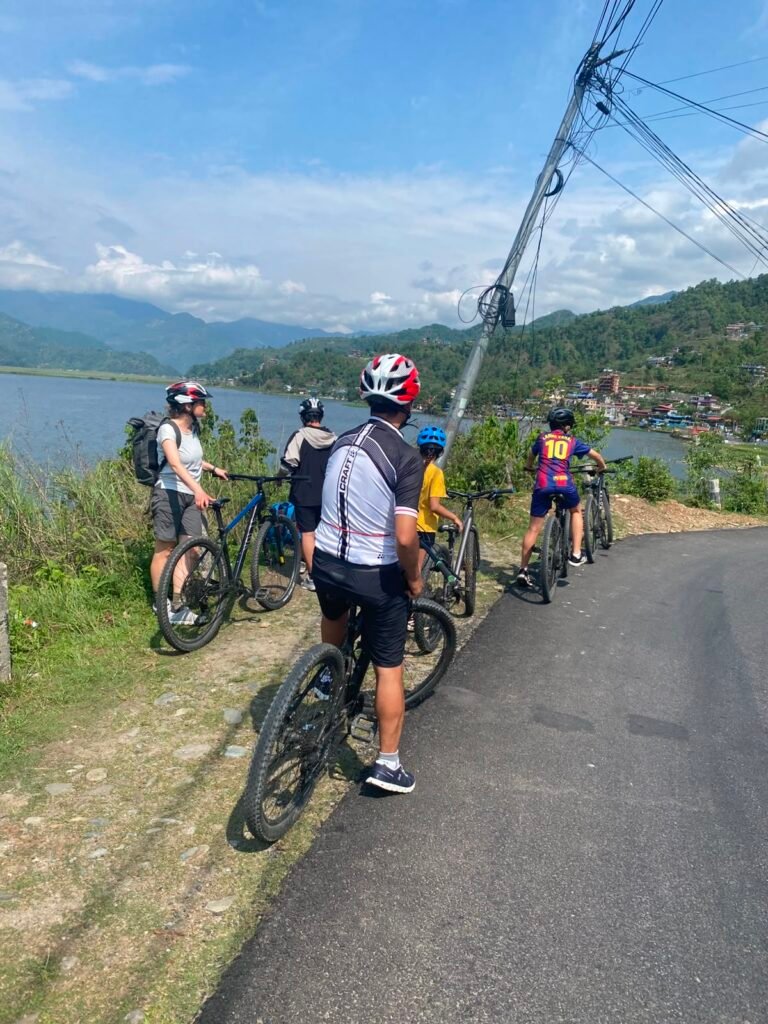
 Pokhara Cycling Day Trip
A relaxed full-day ride around Pokhara lakeside boulevards, hilltop viewpoints and the World Peace Pagoda, guided by locals.
 MTB Tours Moderate
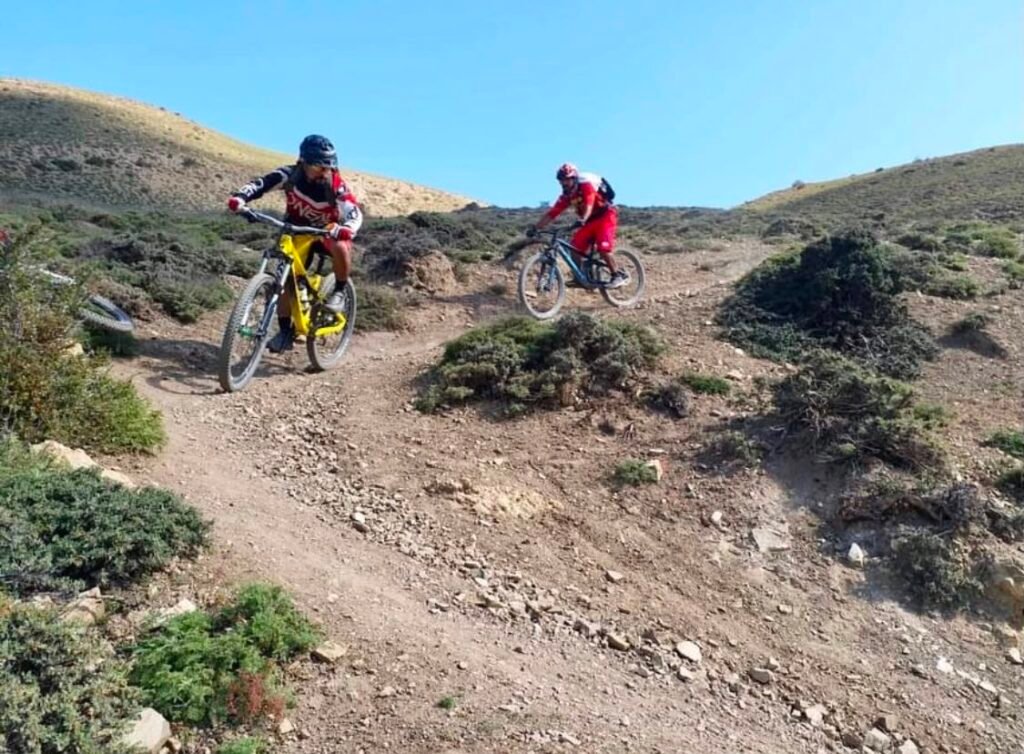
 Panchase MTB Overnight Ride
An overnight all-mountain classic out of Pokhara forest singletrack, a sunrise summit at Panchase Peak and sweeping Annapurna views.
 MTB Tours Moderate
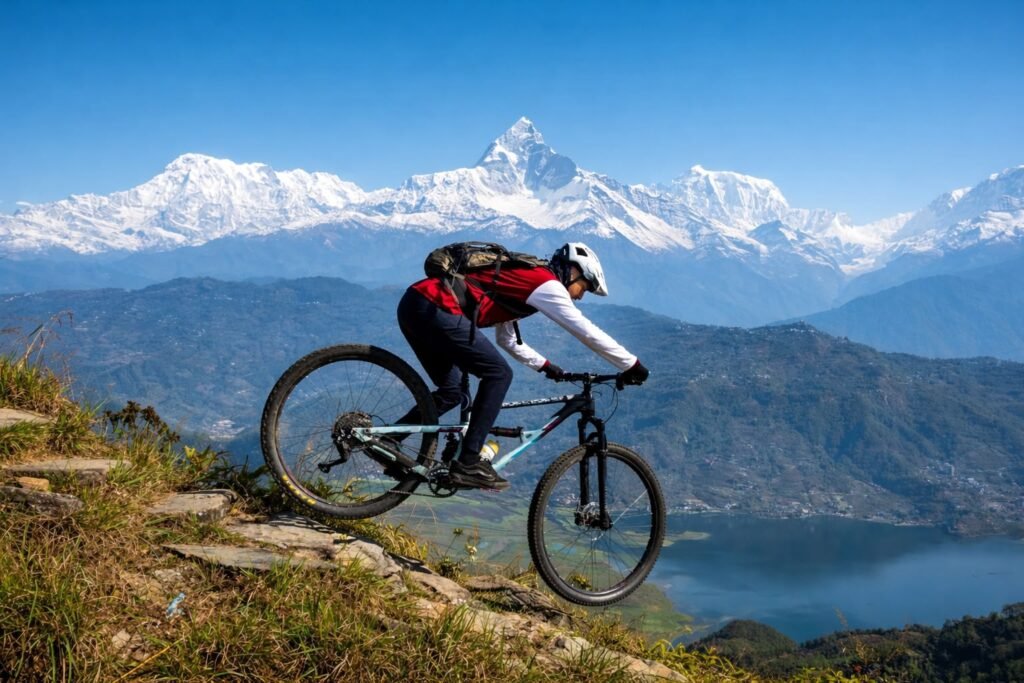
 Sikles MTB Trail
A remote two-night ride to one of the largest Gurung villages in Nepal rich culture, hot springs and genuine Himalayan views.
 MTB Tours Challenging
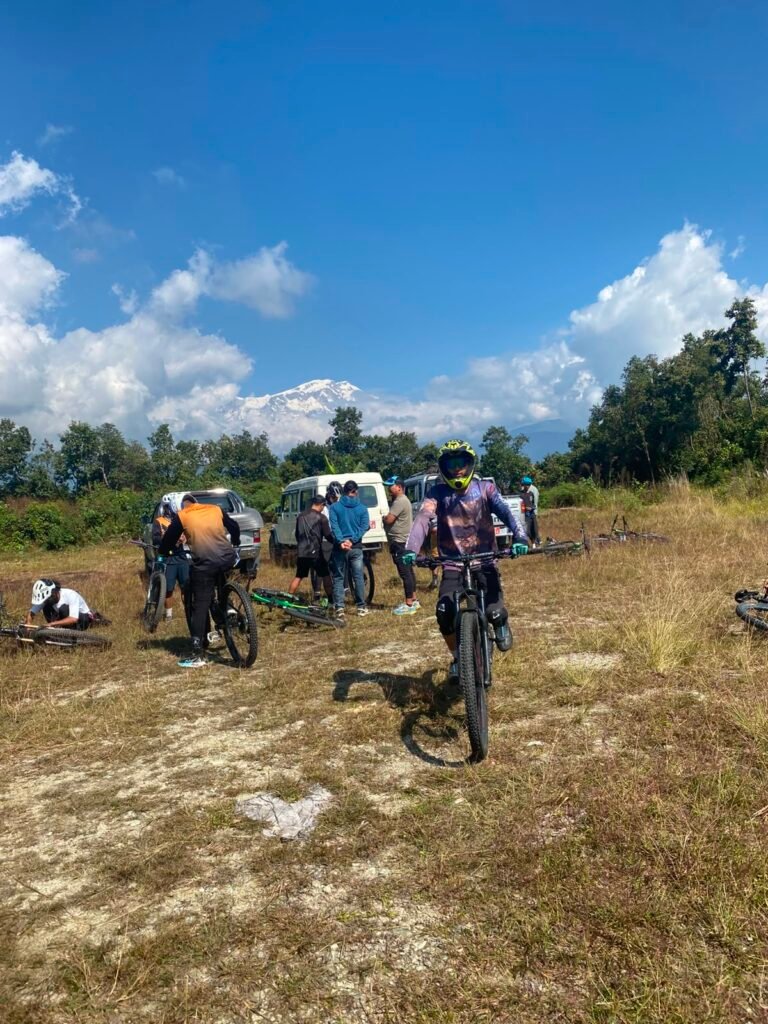
 Upper Mustang MTB Tour
The single best mountain biking terrain in Nepal ride the forbidden kingdom to the walled city of Lo Manthang and back.
 MTB Tours Moderate to Challenging
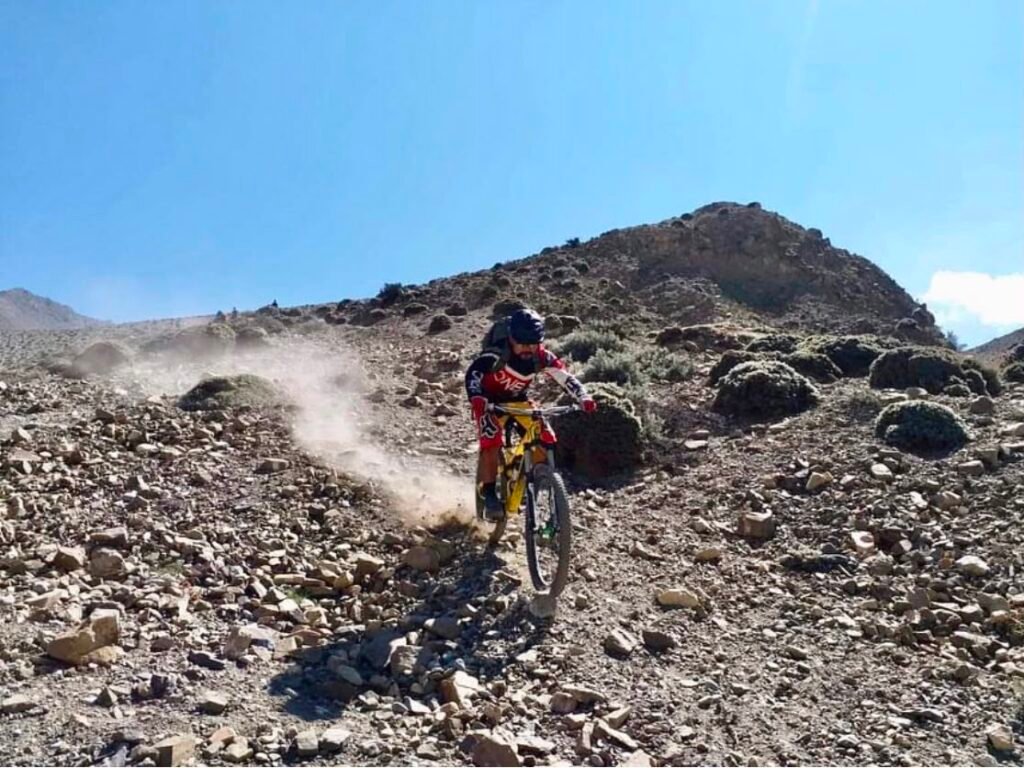
 Lower Mustang Enduro Cycling Tour
Shuttle-assisted enduro in one of the best riding destinations on Earth stack descents through Mustang's legendary canyon terrain.